
Alcohol Withdrawal – Timeline, Symptoms & When to Seek Help
, . 2 minute read.
Understanding Alcohol Withdrawal
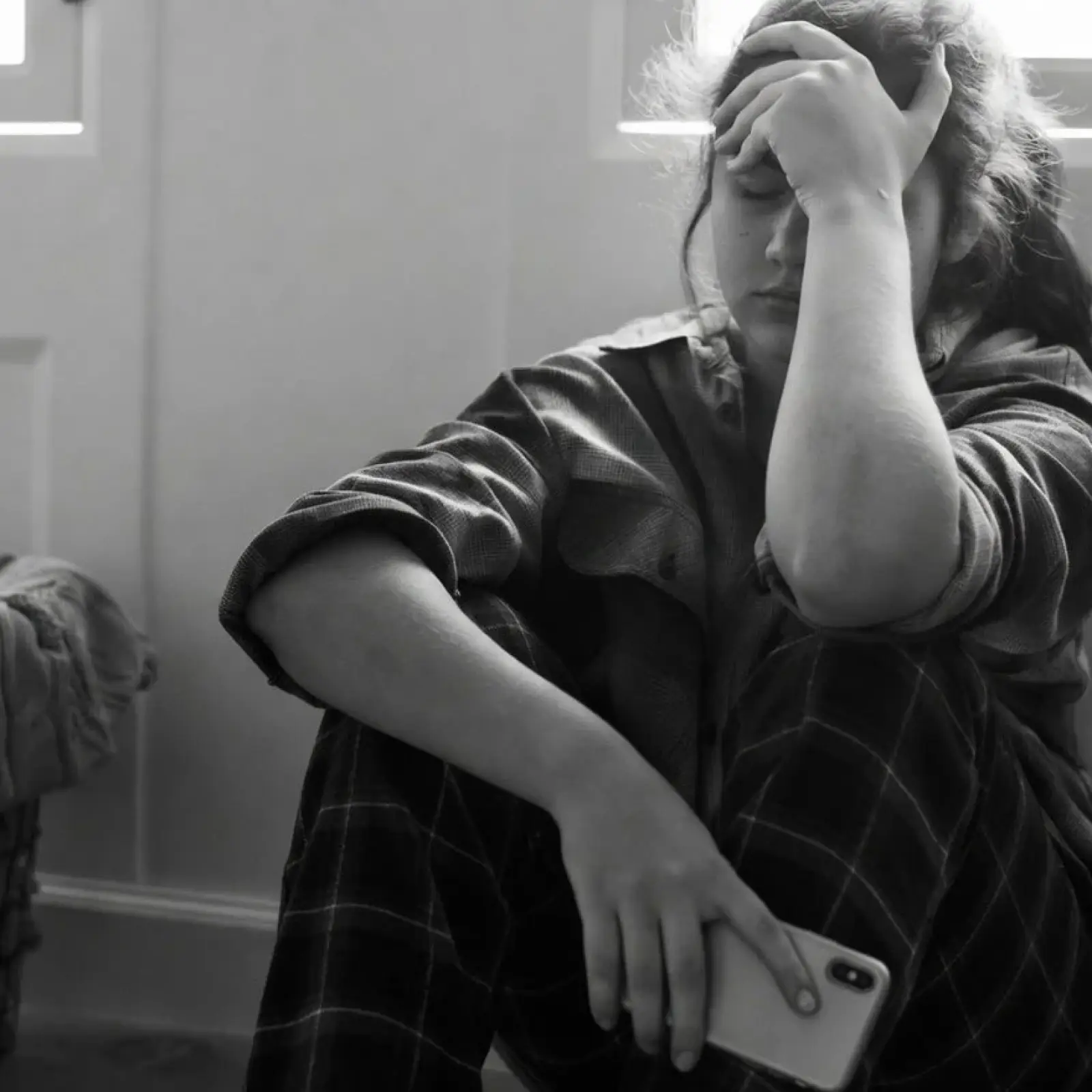
Alcohol withdrawal occurs when someone who has been drinking heavily reduces or stops suddenly. The nervous system, which has adapted to alcohol’s depressant effects, becomes overstimulated.
Symptoms can range from mild anxiety to life-threatening complications.
According to Health Navigator NZ, withdrawal severity depends on duration and intensity of drinking:
https://www.healthnavigator.org.nz
Typical Alcohol Withdrawal Timeline
6–12 hours after last drink
-
Anxiety
-
Nausea
-
Tremors
-
Headache
-
Insomnia
12–24 hours
-
Increased heart rate
-
Sweating
-
Elevated blood pressure
-
Possible mild hallucinations
24–72 hours
-
Risk of seizures
-
Risk of delirium tremens in severe cases
Delirium tremens is rare but serious and requires urgent medical care.
When to Seek Medical Help
Medical supervision is strongly recommended if someone has:
-
A history of seizures
-
Very high daily alcohol consumption
-
Co-existing medical conditions
-
Previous severe withdrawal
Withdrawal can be unpredictable. If there is uncertainty, medical assessment should always come first.
Keystone Lodge is not a medically managed detox facility. Each guest is assessed individually before admission to ensure safety and suitability.
Learn more about the intake process:
Emotional Withdrawal
Beyond physical symptoms, many experience:
-
Irritability
-
Depression
-
Shame
-
Intense cravings
These emotional shifts can feel destabilising. Structured support during this period significantly improves long-term outcomes.
What Happens After Withdrawal?
Detox addresses physical dependence. It does not address the psychological and behavioural patterns underlying addiction.
Residential treatment provides:
-
Therapeutic support
-
Peer connection
-
Coping skill development
-
Relapse prevention planning
At Keystone Lodge, evidence-based modalities are integrated within a 12-step framework, tailored to individual needs.
A Case Example
One guest described completing withdrawal at home previously, only to relapse within days.
The difference during structured residential treatment was the presence of daily therapy, accountability, and peer understanding.
Withdrawal is often the beginning, not the end, of recovery work.
Recovery Is Possible
Alcohol use disorder affects thousands of New Zealanders. The Ministry of Health estimates harmful drinking remains a significant public health issue.
Seeking help early improves recovery prospects.
If you are unsure whether residential treatment is appropriate, a confidential discussion can clarify options.
The earlier support begins, the safer and more stable the recovery becomes.
You may also find some of our other Blog posts helpful.
Keep reading
All articles
Recovery & Treatment Insights,
Private Rehab in New Zealand: Costs, Expectations & How to Choose Safely
Considering private rehab in New Zealand? Learn about costs, what to expect, and how to choose safely. Private residential treatment offers a focused, immersive environment away from everyday pressures. Unlike outpatient support, it allows space for stabilisation, therapeutic work, and structured recovery in a contained setting. But one of the most common questions remains: how much does private rehab cost, and what should you expect?
Recovery & Treatment Insights,
Understanding Different Rehab Programmes: Which One Is Right for You?
Not sure which rehab programme is right for you? Learn the key differences and how to choose confidently. When someone decides to seek help for addiction, one of the first challenges is understanding the different types of rehab programmes available. The truth is that there is no single “best” programme. The right choice depends on personal history, severity of substance use, mental health considerations, support systems, and readiness for change. Understanding the differences helps you make a confident and informed decision.

Recovery & Treatment Insights,
Confidentiality in Rehab: What You Need to Know
Concerned about privacy in rehab? Understand NZ confidentiality laws and how your information is protected. Confidentiality is not simply a courtesy. It is a legal and ethical obligation. Understanding how privacy works in residential rehab can ease anxiety and allow you to focus on what truly matters: recovery.
Recovery starts with a conversation
If you, or someone you love, is struggling, reach out for a confidential, no-obligation chat. We listen, answer your questions and walk alongside you.