Guides

What happens in rehab?

A clear overview of what to expect during residential treatment and how it supports recovery.

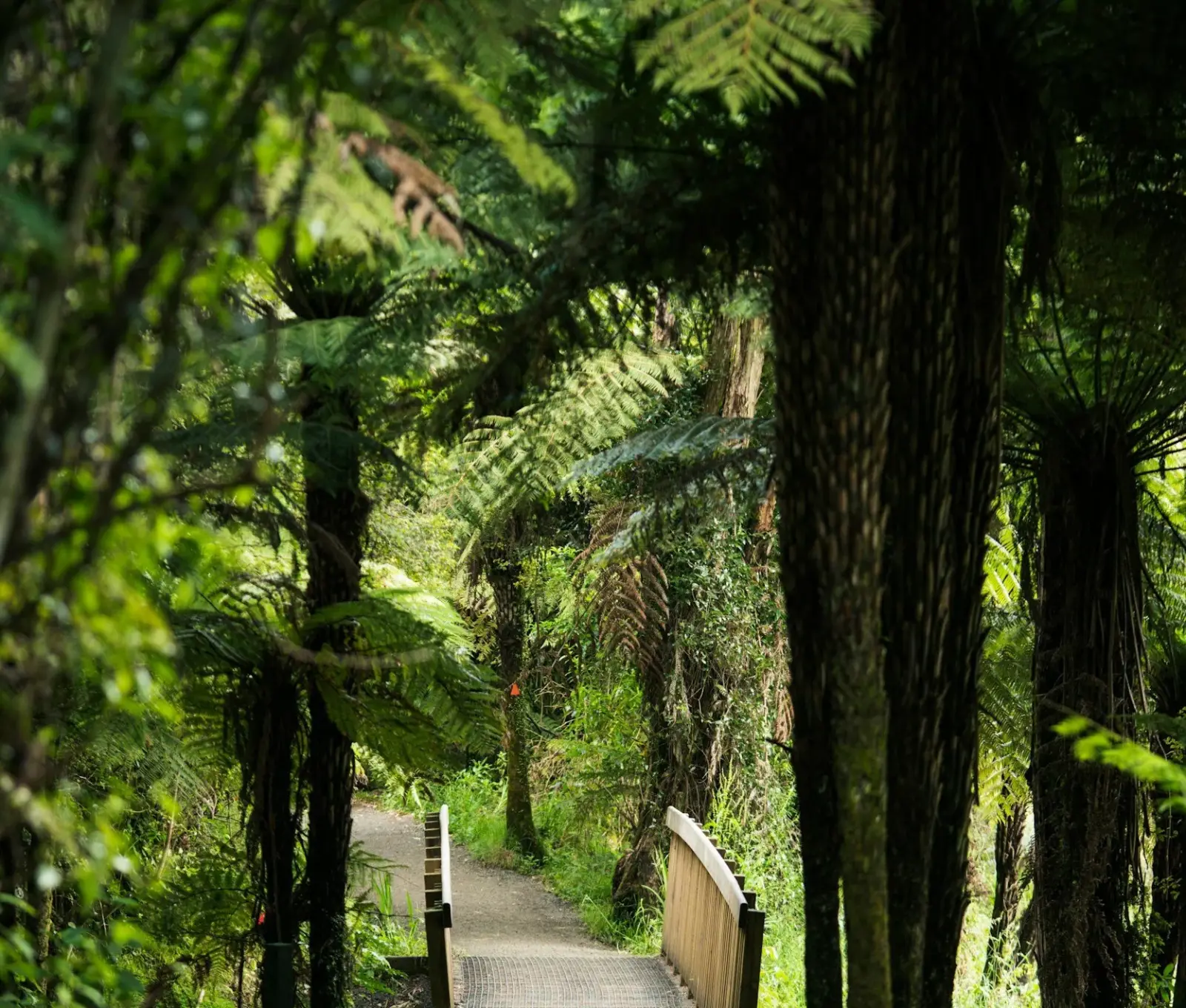
Sunlight through native bush.

A day at Keystone, from arrival to aftercare

Knowing what to expect can make the first step easier.

For most people, the idea of rehab is shaped more by television than by experience. A clear picture of what actually happens can make the first step easier, so here is what a residential stay at Keystone Lodge involves, from the day you arrive to the day you leave.

Arrival and settling in

You don’t need to arrive with all the answers. We welcome you, help you settle into your private room and take time to understand what you need as you begin your stay. If supported detox is part of your plan, the first days are quieter and focused on rest, observation and stabilising before the wider programme begins. Our admissions page explains the steps before you arrive.

A structured daily routine

Each day follows a consistent structure to support stability and progress. Structure creates stability when life has felt chaotic; through healthy routines, consistency and accountability, we begin to rebuild trust in ourselves. A typical day includes:

  • Group therapy and recovery education
  • Scheduled one-to-one sessions with an AOD counsellor and your assigned keyworker
  • Recovery mentoring from team members with lived experience
  • Movement: gym sessions with a personal trainer, Reformer and Mat Pilates, walks through the bush
  • Breathwork, mindfulness and meditation
  • Meals prepared by our chef and eaten together
  • Off-site 12-Step meetings, three times a week
  • Time to journal, rest and reflect

Support and guidance

Therapeutic work is at the heart of rehab. Individual counselling helps you understand yourself, the hows, the whys and the wheres, while group sessions show you that you are not alone. Addiction often exists alongside trauma, anxiety, depression or grief, and treatment is designed to address the whole person rather than only the substance, with clinical psychology available where appropriate. Our alcohol rehab and drug rehab programmes describe the therapeutic approach in more detail.

A safe residential environment

Rehab works partly because of where it happens. Keystone sits on four acres of rural land north of Auckland, surrounded by native bush and birdsong, away from the triggers and pressures of everyday life. Every guest has their own private bedroom, many with a private bathroom, a dedicated journalling space and a gratitude journal provided on arrival. There is an on-site gym, an outdoor spa pool and plenty of room to walk.

Connection with others

Recovery grows through connection: to ourselves, to others and to a community that understands. Many of our team, including the owners, have lived experience of addiction and recovery. Shared meals, group work and time together on the grounds mean you are surrounded by people who have been where you are and can show you the way through.

Staying in touch with family

Contact with family during your stay depends on where you are in the programme and what supports your recovery. We encourage connection wherever possible and welcome family visits when suitable, because rebuilding meaningful relationships can be an important part of recovery, while respecting each guest’s privacy. Our family support page explains how loved ones can be involved.

Aftercare planning

Preparing for life beyond residential treatment begins during your stay. Together, we look at the environments, relationships, routines and challenges you will return to and build a realistic plan for maintaining your recovery. When you leave, our structured 12-month aftercare programme takes over: daily therapist contact for the first week, a follow-up session within three weeks and ongoing check-ins throughout your first year.

Is rehab only for severe addiction?

No. Rehab supports a range of situations where structured help is needed, including people who are still functioning at work and at home but know that something has to change. You don’t need to wait until things reach crisis point. If you’re unsure whether residential treatment is the right next step, call 0800 539 888 or send us a confidential enquiry.

FAQs

During your stay questions

Common questions about what to expect during residential treatment.

Ask us a question
What happens in residential rehab?

Residential rehab provides a structured daily programme focused on recovery. At Keystone, guests participate in individual AOD therapy, group sessions, recovery mentoring, physical activity, wellbeing practices and recovery-focused activities while living within a supportive residential environment.

Treatment also focuses on understanding triggers and patterns, developing healthier coping strategies and preparing for life after rehab.

How long should you stay in residential rehab?

There is no single treatment length that is right for everyone. The appropriate length of residential treatment depends on the person’s circumstances, substance use, recovery needs and progress.

Keystone’s core residential programme is 30 days, providing time to establish stability, engage meaningfully in recovery work and begin developing healthier routines and strategies for life beyond treatment. Because we are client led, we understand there may be a need for shorter or longer stays.

How long is residential alcohol rehab?

Keystone Lodge offers both a 15-day and a 30-day residential alcohol rehab programme, with the most appropriate length of stay guided by each person’s circumstances, recovery needs and goals. Our 30-day programme allows more time to establish stability and engage deeply in therapeutic and recovery work, while a 15-day programme can provide a focused and individualised period of treatment and support where appropriate.

What happens during alcohol rehab?

During residential alcohol rehab, each day provides a balance of structure, therapeutic and recovery-focused work, individual support and activities that promote physical and emotional wellbeing. Guests participate in AOD therapy, recovery mentoring, group sessions, physical activity and holistic wellbeing practices, while developing practical strategies for life in recovery.

How long is residential drug rehab?

Keystone Lodge offers 15-day and 30-day residential drug rehab programmes, with the most appropriate length of stay guided by each person’s circumstances, recovery needs and goals. Our 30-day programme allows more time to establish stability and engage deeply in therapeutic and recovery work, while a 15-day programme can provide a focused and individualised period of treatment and support where appropriate.

What happens during residential drug rehab?

Each day combines structure, therapeutic and recovery-focused work, individual support and activities that promote physical and emotional wellbeing. Guests participate in AOD therapy, recovery mentoring, group sessions, physical activity and holistic wellbeing, while also preparing for life beyond residential drug rehab.

Is 30 days enough for rehab?

For many people, 30 days provides a structured starting point for recovery: enough time to establish stability, engage meaningfully in therapeutic and recovery work and begin developing healthier routines and strategies for life beyond treatment.

Recovery continues well beyond the residential stay, which is why Keystone’s 30-day programme is followed by a structured 12-month aftercare programme.

What happens during the 30 days?

The 30-day programme combines daily routine, structured support and recovery work. Your stay includes daily group therapy sessions, one-to-one scheduled therapy with an AOD Counsellor and an assigned Keyworker, and three offsite 12-step meetings each week, alongside physical training, Pilates, breathwork and mindfulness, nourishing meals prepared by our chef and time in nature.

Can I stay longer than 30 days?

Yes. Additional support may be discussed based on individual needs and recovery progress. Keystone is client led, and we recognise that some people benefit from a longer stay while others may need a shorter one. Speak with our team about what might be appropriate for you.

What happens during detox support at Keystone Lodge?

During social detox, our focus is on providing a calm, structured and supportive residential environment through the early stages of withdrawal. Where medication has been prescribed by a medical practitioner, it is administered by trained staff in accordance with the prescribing instructions. At each medication administration, observations including blood pressure, heart rate and temperature are taken and recorded.

Guests are also supported with nourishing meals, hydration, rest, reassurance and connection with our recovery team. As withdrawal settles, guests gradually begin engaging in Keystone’s wider residential recovery programme.

What happens in rehab each day?

Each day follows a consistent structure to support stability and progress, balancing therapeutic and recovery-focused work with time for reflection. At Keystone Lodge, a typical day includes individual therapy, group sessions, recovery mentoring, exercise, mindfulness and recovery education, with breathwork, Reformer and Mat Pilates, meditation and external recovery meetings woven through the week. Meals are prepared by our in-house chef and evenings are kept quiet to support rest and routine.

What affects how long rehab lasts?

Factors include personal history, the level of support needed and recovery goals, as well as the substance being used and how someone progresses during treatment. Keystone’s core programme is 30 days, but because we are client led there may be a need for shorter or longer stays. Progress matters more than speed, and aftercare is part of the process.

Can I contact family during rehab?

This depends on the structure of the programme and where you are in your stay. Keystone welcomes family visits when suitable, and involving loved ones is part of our approach: family support and education helps rebuild trust and understanding while respecting each guest’s privacy.

What support is provided?

Daily structure, guidance and planning for recovery. At Keystone Lodge that means individual AOD therapy, group therapy and recovery education, recovery mentoring from a team with lived experience, psychological support where appropriate, nurse-led detox support where needed, physical training, Pilates, breathwork and mindfulness, nutritious meals, and relapse-prevention and aftercare planning.

From the blog

Further reading

Insights on treatment, recovery and life after rehab from the Keystone Lodge blog.

Read the blog

Mental Health & Wellbeing,

Does Sleep Affect Addiction Recovery?

Poor sleep can make recovery harder. When people think about addiction recovery, sleep is not always the first thing that comes to mind. Attention is often focused on counselling, support programmes, relapse prevention, or managing cravings. Yet sleep quietly influences almost every part of recovery. Discover why sleep is essential for long-term sobriety and wellbeing.

Mental Health & Wellbeing,

The Role of Outdoor Therapy in Addiction Recovery

Nature plays a powerful role in recovery. Learn how outdoor therapy supports lasting change. The places where stress builds, where habits are formed, and where substance use becomes normalised can make it difficult to create meaningful change. This is one reason why a change in environment can be so powerful. Outdoor therapy builds on this idea. It introduces a setting that is fundamentally different from the environments where addiction has developed. Instead of closed spaces and constant stimulation, it offers openness, quiet, and a sense of perspective.

Mental Health & Wellbeing,

Holistic Recovery: How Mind-Body Practices Strengthen Sobriety

Holistic recovery supports both mind and body. Discover how it strengthens lasting sobriety. When people first consider recovery, the focus is often on stopping substance use. While this is a crucial step, it is only part of a much larger process. Sustainable recovery involves rebuilding physical health, emotional balance, and mental clarity. It requires more than removing substances. It involves learning how to live in a way that feels stable, manageable, and meaningful. This is where holistic recovery becomes important.

Start the conversation

Every journey begins with a single step.

Recovery doesn't begin when you arrive at Keystone. It begins the moment you reach out. Whether you're seeking help for yourself or someone you love, we're here to listen, answer your questions and walk alongside you every step of the way.

Freephone
0800 539 888
The tree-lined driveway at Keystone Lodge, the first thing people see when they arrive.