
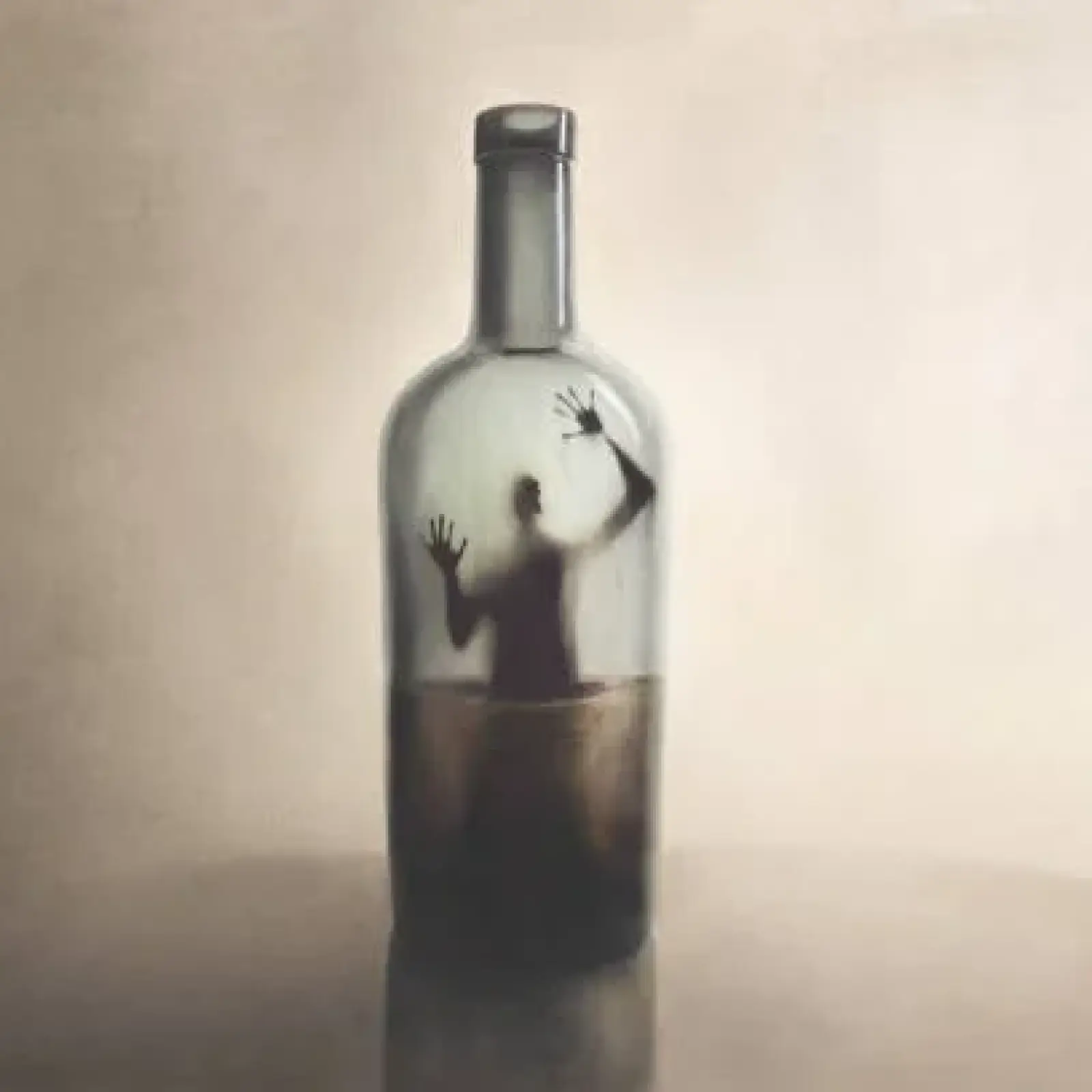
Alcohol Misuse Disorder
The use of alcohol is a widely accepted part of everyday life. However, it is also a psychoactive substance that can lead to physical dependency and psychological addiction. Alcohol misuse is the leading risk factor for premature mortality and disability among those aged 15 to 49 years and accounts for 10% of all deaths in this age group.
In New Zealand, like many other countries, rates of alcohol dependency and misuse are high. The physical signs of alcoholism can include blackouts, poor hygiene and eating habits when drinking and sleep disturbance and tremors when not drinking. Long-term alcohol misuse can cause liver and kidney problems, heart problems, diabetes, and alcoholic dementia.
Emotionally, alcoholism can cause individuals to become withdrawn and isolated, cutting themselves off from friends and family. Alcoholics frequently suffer from depression and anxiety, low self-worth, and self-esteem issues. There is no one specific type of alcoholic; they come from all walks of life and can start misusing alcohol at any age. It is a progressive illness which, when untreated, can spiral out of control and lead to devastating and fatal consequences.
Types of Alcohol Misuse
-
Chronic Severe: Daily drinkers who often struggle to maintain jobs and long-term relationships and combine alcohol with the use of illicit drugs.
-
Functional: In general, middle-aged working adults who are educated, have higher incomes, and are in relationships. They tend to drink every other day, consuming five or more drinks when they do.
-
Binge Drinkers: These individuals may only drink alcohol a few days per week or month, scheduling their drinking sessions around other responsibilities such as work or family. However, problems can occur when this pattern of drinking changes, consequences deepen, and chronic daily drinking creeps in.
-
Young Adults: Young adults who start drinking in their early 20s rarely seek help for alcohol dependence. They drink less frequently than other alcoholics, but they tend to binge drink when they do.
-
Intermediate Familial: Most have close relatives who are alcoholics. They typically begin drinking in their late teens and become alcoholics in their early 30s. There is an element of learned behaviour in this group which is difficult to shrug off.
-
Young Antisocial: Usually mid-20s and more than half also suffer from antisocial personality disorder. They tend to start drinking in their teens and become alcoholics by their 20s. They often combine alcohol misuse with smoking tobacco and marijuana.
Symptoms of Alcohol Misuse Disorder
-
Experiencing temporary blackouts or short-term memory loss
-
Making excuses for drinking, such as to relax, deal with stress, or feel normal
-
Feeling hungover when not drinking
-
Choosing to drink over other responsibilities and obligations
-
Engaging in risky behaviour, such as drunk driving
-
Being in denial about the extent of the alcohol abuse problem
-
Exhibiting signs of irritability and extreme mood swings
-
Becoming isolated and distant from friends and family members
-
Drinking alone or being secretive about drinking
-
Feeling guilty or ashamed about drinking and associated behaviours
Treatment for Alcohol Misuse Disorder
At Keystone Lodge Alcohol Recovery Centre, we understand that every client is different and requires individualised care. We treat both the physical and emotional dependence on alcohol and can offer specialist medical detox if required.
Please contact us:
Keep reading
All articles
Recovery & Treatment Insights,
Private Rehab in New Zealand: Costs, Expectations & How to Choose Safely
Considering private rehab in New Zealand? Learn about costs, what to expect, and how to choose safely. Private residential treatment offers a focused, immersive environment away from everyday pressures. Unlike outpatient support, it allows space for stabilisation, therapeutic work, and structured recovery in a contained setting. But one of the most common questions remains: how much does private rehab cost, and what should you expect?

Recovery & Treatment Insights,
Understanding Different Rehab Programmes: Which One Is Right for You?
Not sure which rehab programme is right for you? Learn the key differences and how to choose confidently. When someone decides to seek help for addiction, one of the first challenges is understanding the different types of rehab programmes available. The truth is that there is no single “best” programme. The right choice depends on personal history, severity of substance use, mental health considerations, support systems, and readiness for change. Understanding the differences helps you make a confident and informed decision.
Recovery & Treatment Insights,
Alcohol Withdrawal – Timeline, Symptoms & When to Seek Help
Learn the stages of alcohol withdrawal and when medical support is needed. Alcohol withdrawal occurs when someone who has been drinking heavily reduces or stops suddenly. The nervous system, which has adapted to alcohol’s depressant effects, becomes overstimulated. Symptoms can range from mild anxiety to life-threatening complications.
Recovery starts with a conversation
If you, or someone you love, is struggling, reach out for a confidential, no-obligation chat. We listen, answer your questions and walk alongside you.