
Looking after yourself while supporting a loved one in recovery
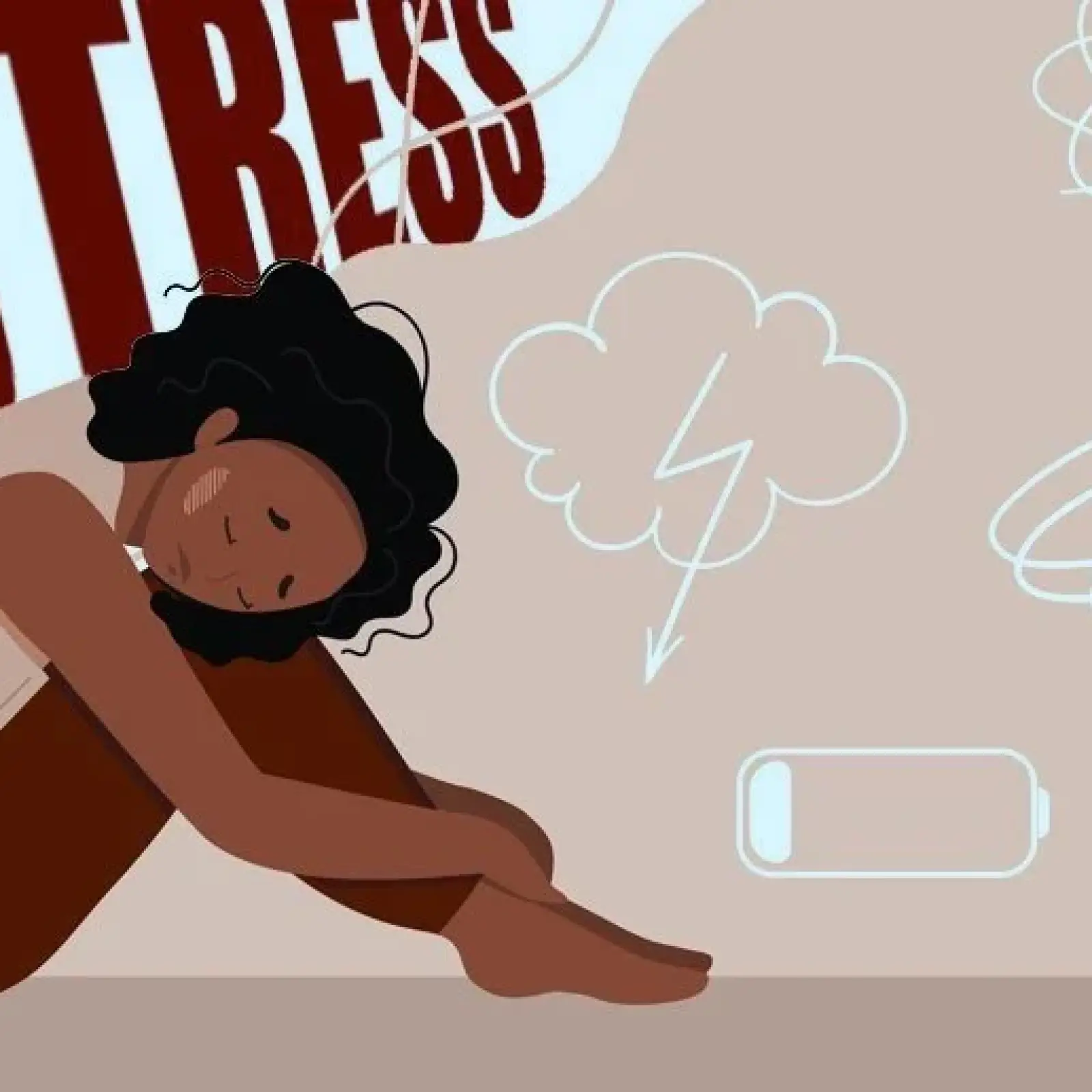
When someone you love is struggling with addiction, it’s natural to give your all to help them heal. But over time, even the most devoted support person can find themselves emotionally, physically, and mentally exhausted. This is known as caregiver burnout, and it’s more common than many people realise, especially when the caregiving role is informal, unpaid, and ongoing.
Building on our prior “Family Involvement” post, we now explore the emotional toll on caregivers, along with practical tools for self-care, setting healthy boundaries, and accessing support networks such as Al-Anon in New Zealand.
Because supporting someone else’s recovery should never come at the cost of your own well-being.
What Is Family Caregiver Burnout?
Caregiver burnout occurs when the stress and responsibility of caring for someone else lead to emotional depletion. It often includes:
-
Chronic fatigue or emotional numbness
-
Anxiety, depression, or irritability
-
A sense of hopelessness or guilt
-
Social withdrawal or strained relationships
-
Loss of personal identity or purpose
For parents, partners, or close family members of someone in addiction recovery, burnout can also be complicated by guilt (“I should do more”), fear of relapse, or years of emotional upheaval.
At Keystone Lodge, we work with families to recognise these patterns early and offer tools to restore balance.
Why Self-Care Isn’t Selfish
It’s easy to feel that your energy should go entirely to your loved one in recovery. But you can’t pour from an empty cup. Sustainable caregiving requires sustainable energy—and that means putting your own wellness first.
Some self-care strategies might include:
-
Regular rest and sleep routines
-
Saying “no” without guilt when you’re feeling stretched
-
Physical movement—walking, stretching, dancing
-
Journaling, therapy, or spiritual practice
-
Time alone—even short moments to reset
Self-care doesn’t always mean spa days or big breaks. Often, it’s the quiet, daily acts of choosing your own peace that make the biggest difference.
Setting Healthy Boundaries
Without boundaries, caregiving can slip into co-dependency or enablement. A key part of family wellness is learning to support without rescuing.
-
Avoid micromanaging your loved one’s recovery journey
-
Don’t shield them from natural consequences
-
Be clear about your limits—emotionally, financially, or logistically
-
Communicate your needs openly and respectfully
At Keystone Lodge, we help families rebuild healthy dynamics through therapy, education, and structured family involvement sessions.
You’re Not Alone: Support for Families in NZ
There are dedicated resources for families navigating a loved one’s addiction or recovery. One of the most well-known is Al-Anon—a global support group for those affected by someone else’s drinking or substance use.
In New Zealand, Al-Anon and similar groups offer regular, confidential meetings both in-person and online. These spaces provide connection, coping strategies, and reassurance that you’re not the only one facing this challenge.
Visit www.al-anon.org.nz to find meetings near you.
How Keystone Lodge Supports Families
We recognise that recovery is a family journey. Our programmes include:
-
Family education sessions to understand addiction and recovery
-
Boundary-setting workshops
-
Facilitated family communication exercises
-
Referral support for ongoing family therapy or local support groups
Our goal is to help families heal together—not just the person in recovery.
Take a Breath. You Matter, Too.
Being a caregiver is an act of love, but it should not mean losing yourself. Whether you’re supporting someone in active recovery or still navigating the early stages, your wellbeing is essential, not optional.
If you’re feeling drained, overwhelmed, or unsure how to move forward, reach out. At Keystone Lodge, we’re here to support not just individuals, but entire families on the path to healing.
Keep reading
All articles
Recovery & Treatment Insights,
Private Rehab in New Zealand: Costs, Expectations & How to Choose Safely
Considering private rehab in New Zealand? Learn about costs, what to expect, and how to choose safely. Private residential treatment offers a focused, immersive environment away from everyday pressures. Unlike outpatient support, it allows space for stabilisation, therapeutic work, and structured recovery in a contained setting. But one of the most common questions remains: how much does private rehab cost, and what should you expect?

Recovery & Treatment Insights,
Understanding Different Rehab Programmes: Which One Is Right for You?
Not sure which rehab programme is right for you? Learn the key differences and how to choose confidently. When someone decides to seek help for addiction, one of the first challenges is understanding the different types of rehab programmes available. The truth is that there is no single “best” programme. The right choice depends on personal history, severity of substance use, mental health considerations, support systems, and readiness for change. Understanding the differences helps you make a confident and informed decision.

Recovery & Treatment Insights,
Alcohol Withdrawal – Timeline, Symptoms & When to Seek Help
Learn the stages of alcohol withdrawal and when medical support is needed. Alcohol withdrawal occurs when someone who has been drinking heavily reduces or stops suddenly. The nervous system, which has adapted to alcohol’s depressant effects, becomes overstimulated. Symptoms can range from mild anxiety to life-threatening complications.
Recovery starts with a conversation
If you, or someone you love, is struggling, reach out for a confidential, no-obligation chat. We listen, answer your questions and walk alongside you.