
Healing Through Creativity: Art and Music Therapy in Addiction Recovery
, . 2 minute read.
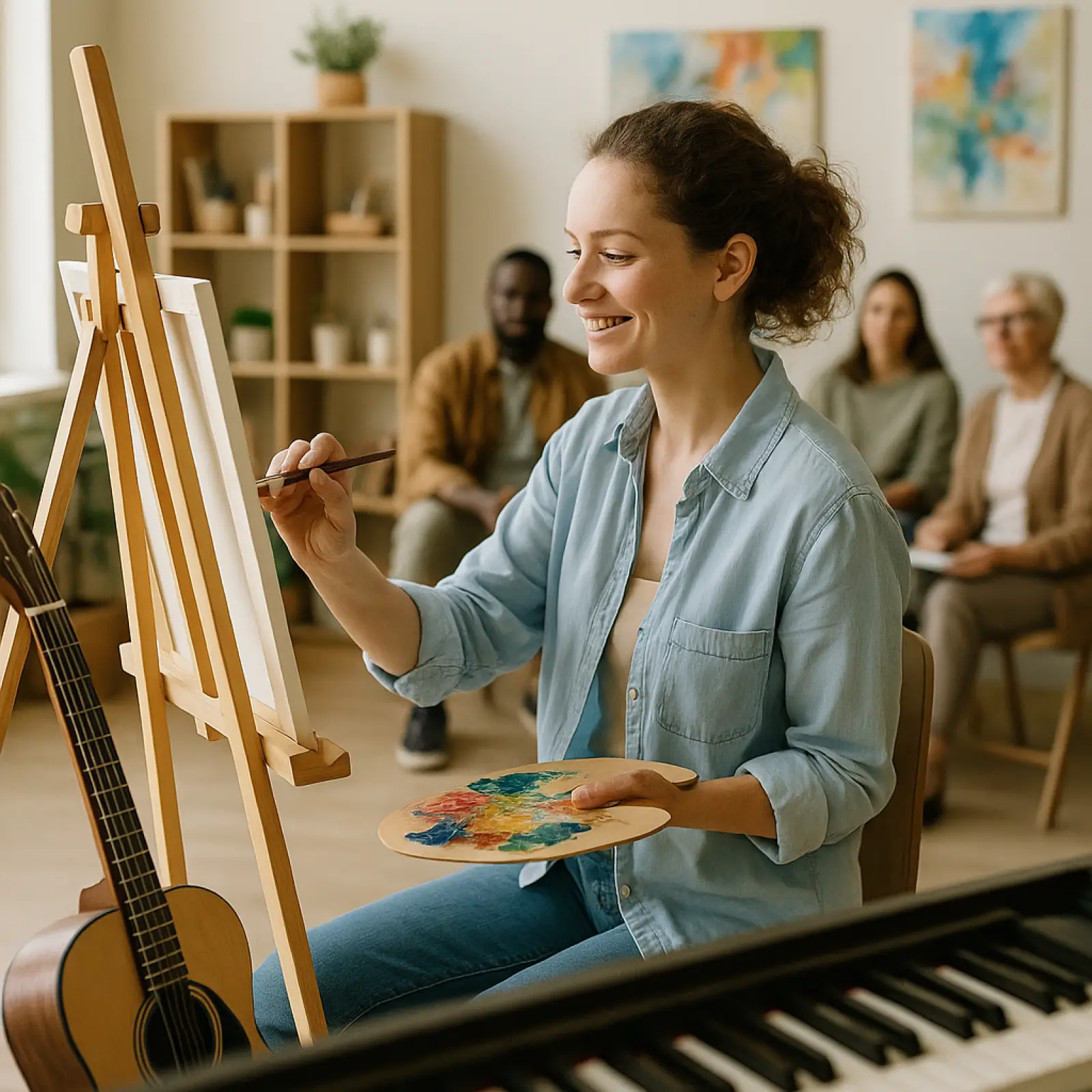
Recovery is more than just stopping substance use — it’s about healing the mind, body, and spirit. One of the most powerful tools in this journey is creative therapy, including art, music, and other forms of self-expression.
At Keystone Lodge, we integrate creative therapies alongside traditional treatment to help clients explore emotions, reduce stress, and reconnect with themselves in meaningful ways.
What Is Creative Therapy?
Creative therapy uses artistic expression as a tool for emotional and psychological healing. Common modalities include:
-
Art Therapy: Drawing, painting, or sculpture to process feelings
-
Music Therapy: Listening, composing, or performing to release emotions
-
Dance/Movement Therapy: Using physical movement to express inner experiences
-
Writing & Journaling: Exploring thoughts and challenges through words
Unlike traditional talk therapy alone, creative therapy allows clients to express what’s hard to put into words, uncovering insights that can accelerate recovery.
Benefits of Art & Music Therapy in Recovery
-
Emotional Expression – Helps clients articulate feelings such as anger, grief, or shame.
-
Stress Reduction – Engaging creatively lowers stress and anxiety, supporting overall wellness.
-
Self-Discovery – Encourages reflection and understanding of personal triggers and motivations.
-
Enhanced Coping Skills – Provides healthy outlets for emotions that previously led to substance use.
-
Improved Confidence & Self-Esteem – Completing creative projects fosters a sense of accomplishment.
How Creative Therapy Complements Traditional Treatment
Creative therapy works alongside counselling, group therapy, and mindfulness practices. It helps clients:
-
Explore underlying emotional pain that contributes to addiction
-
Strengthen mindfulness and presence, reducing impulsive behaviour
-
Improve communication skills for healthier relationships
-
Build resilience by providing new coping mechanisms
At Keystone Lodge, we tailor creative therapy to each client’s preferences and needs, ensuring it’s a supportive and enjoyable part of the recovery journey.
Success Stories: Healing Through Creativity
Many clients have found that art and music therapy helped them reconnect with joy and purpose. Whether it’s painting a calming scene, composing a song, or journaling daily, creative outlets give clients a tangible way to see progress and celebrate milestones in recovery.
Bringing Creativity into Your Everyday Recovery
Even after leaving rehab, creative practices can remain a part of your healing toolkit:
-
Keep a daily journal or sketchbook
-
Listen to or create music that reflects your mood
-
Attend local art or music classes to build community
-
Explore movement practices like dance, yoga, or tai chi
These activities can help maintain balance, reduce stress, and prevent relapse.
Ready to explore creative therapies in your recovery? Talk to a Recovery Specialist Today and discover a holistic path to healing.
Keep reading
All articles
Recovery & Treatment Insights,
Private Rehab in New Zealand: Costs, Expectations & How to Choose Safely
Considering private rehab in New Zealand? Learn about costs, what to expect, and how to choose safely. Private residential treatment offers a focused, immersive environment away from everyday pressures. Unlike outpatient support, it allows space for stabilisation, therapeutic work, and structured recovery in a contained setting. But one of the most common questions remains: how much does private rehab cost, and what should you expect?
Recovery & Treatment Insights,
Understanding Different Rehab Programmes: Which One Is Right for You?
Not sure which rehab programme is right for you? Learn the key differences and how to choose confidently. When someone decides to seek help for addiction, one of the first challenges is understanding the different types of rehab programmes available. The truth is that there is no single “best” programme. The right choice depends on personal history, severity of substance use, mental health considerations, support systems, and readiness for change. Understanding the differences helps you make a confident and informed decision.
Recovery & Treatment Insights,
Alcohol Withdrawal – Timeline, Symptoms & When to Seek Help
Learn the stages of alcohol withdrawal and when medical support is needed. Alcohol withdrawal occurs when someone who has been drinking heavily reduces or stops suddenly. The nervous system, which has adapted to alcohol’s depressant effects, becomes overstimulated. Symptoms can range from mild anxiety to life-threatening complications.
Recovery starts with a conversation
If you, or someone you love, is struggling, reach out for a confidential, no-obligation chat. We listen, answer your questions and walk alongside you.