

Life After Rehab Is Its Own Journey
Completing a residential rehab programme is a huge achievement. You have done the difficult work of stepping away from daily pressures, confronting the roots of addiction and learning new coping tools. But when you return home, your recovery journey does not end. In many ways, it begins again in a new form.
Life after rehab can feel hopeful and exciting, but also unfamiliar. You may be rebuilding routines, reconnecting with family, returning to work or adjusting to quieter days without structured programming. This transition is normal and expected. This is why aftercare support is essential for maintaining long-term recovery.
Aftercare pathways give you guidance, structure and connection as you step back into everyday life. This article explores the most effective options, common challenges and the ways you can personalise your support plan to stay steady and confident.
Why Aftercare Matters
Research consistently shows that people who engage in structured aftercare have significantly higher long-term recovery rates. Aftercare acts as a bridge between the intensive environment of rehab and the realities of everyday life. It helps you:
-
Maintain accountability
-
Strengthen healthy routines
-
Manage real-world triggers
-
Build emotional resilience
-
Stay connected to support
-
Continue personal growth
-
Feel less alone in the transition
The shift back into daily life can bring unexpected challenges, such as loneliness, old social pressures or anxiety about maintaining sobriety. A solid aftercare plan reduces these pressures and gives you a clear path forward.
For more context about recovery support research, the Mental Health Foundation of New Zealand offers helpful resources: https://mentalhealth.org.nz
Understanding Your Aftercare Options
There is no one-size-fits-all plan. The most effective aftercare pathway is the one that meets your needs, fits your lifestyle and feels realistic. Below are the key options many people combine.
1. Ongoing Counselling or Therapy
Many people continue therapy for months or years after rehab. Individual counselling provides:
-
A safe space to discuss new challenges
-
Continued work on trauma or emotional patterns
-
Guidance on relationships, work stress and boundaries
-
Tools for identifying and managing cravings
Weekly or fortnightly sessions offer regular grounding and support as life becomes busier again.
If you would like information about therapeutic approaches at Keystone Lodge, you can explore our services here:
Programmes.
2. Peer Support or Community Groups
Peer-based support provides a connection with others who understand the realities of recovery. Options include:
-
SMART Recovery
-
Alcoholics Anonymous
-
Narcotics Anonymous
-
Refuge Recovery
-
Online support meetings
Attending weekly or even occasional meetings helps reduce isolation and provides practical, lived wisdom.
3. Sober Living or Transitional Housing
For those who want additional structure after residential treatment, sober living homes can be helpful. These environments offer:
-
Shared accountability
-
Clear house rules
-
A focus on routines
-
Supportive social networks
-
A substance-free lifestyle
Even short terms in sober living can reduce pressure while you gain confidence in your new habits.
4. Structured Aftercare Programmes
Some rehabilitation centres offer follow-up programmes that include:
-
Check-ins
-
Group therapy
-
Relapse prevention coaching
-
Family meetings
-
Goal-setting workshops
These programmes help maintain continuity between residential treatment and independent living.
5. Health and Wellness Routines
Recovery is strongly influenced by your physical well-being. Adding wellness practices to your aftercare plan can make a major difference. Examples include:
-
Regular exercise
-
Sleep routines
-
Balanced meals
-
Mindfulness or meditation
-
Journaling
-
Outdoor activities
-
Nature-based practices
-
Time with supportive friends or family
Small, consistent habits build emotional stability and improve stress tolerance.
6. Employment or Study Support
Returning to work or study can bring both purpose and pressure. Aftercare may include:
-
Gradual return-to-work plans
-
Career counselling
-
Study support
-
Volunteer roles
-
Goal setting
Feeling purposeful helps maintain motivation and a positive identity during early recovery.
A Realistic Example: Building an Aftercare Plan That Works
Here is a fictional but realistic example of what personalised aftercare might look like.
Case: Emma, 34
Emma completed a 28-day residential programme and felt proud of her progress. She wanted support transitioning home, especially because she would be returning to a busy job.
Her aftercare plan included:
-
Weekly counselling for three months
-
Fortnightly SMART Recovery meetings
-
A morning routine with a short walk and journaling
-
A 90-day commitment to avoid high-risk events
-
Monthly check-ins with her aftercare coordinator
-
A plan for handling workplace stress
-
Scheduled time for socialising with sober friends
Emma found that these supports made her feel grounded and confident. She still had challenging days, but she had a plan for managing them and people to reach out to when she needed help.
Common Challenges After Rehab and How to Navigate Them
1. Feeling Isolated or Disconnected
Returning home can feel quiet after the structured busyness of rehab.
Try:
-
Joining a support group
-
Planning regular social contact
-
Scheduling physical activity
-
Volunteering or creative hobbies
Connection is essential.
2. Losing Routine
When structure fades, old habits can sneak back.
Try:
-
Setting a simple morning routine
-
Planning meals
-
Keeping a weekly schedule
-
Using reminders or checklists
Small routines create stability.
3. Managing Triggers
Triggers often show up in unexpected places.
Try:
-
Writing a trigger list
-
Practising grounding skills
-
Contacting support when cravings arise
Awareness strengthens resilience.
4. Rebuilding Relationships
Family dynamics may feel different after rehab.
Try:
-
Slow, honest communication
-
Clear boundaries
-
Family therapy
-
Patience with the adjustment process
Recovery is gradual for everyone involved.
5. Feeling Pressure to Be Perfect
Many people feel like they must prove their recovery to others.
Try:
-
Allowing yourself to be human
-
Focusing on progress, not perfection
-
Talking to a counsellor about these pressures
Recovery is a journey, not a performance.
What Keystone Lodge Provides for Life After Rehab
Keystone Lodge offers ongoing support designed to help people transition back into everyday life with confidence. Our aftercare support may include:
-
Personalised relapse prevention plans
-
Continued therapy
-
Check-in sessions
-
Family communication guidance
-
Support with routines and wellbeing
-
Recommendations for community or peer-based groups
Our goal is to help each person feel supported, understood and empowered as they move forward.
A Final Word of Encouragement
Life after rehab is not about starting over. It is about continuing the work you began and recognising your strength. The tools you learned in treatment were only the beginning. With aftercare, you have the opportunity to build a life that is healthy, stable and meaningful.
Recovery is not measured by perfection. It is measured by commitment, connection and the willingness to keep going.
If you would like help creating a personalised aftercare pathway, the team at Keystone Lodge is here to support you every step of the way.
Keep reading
All articles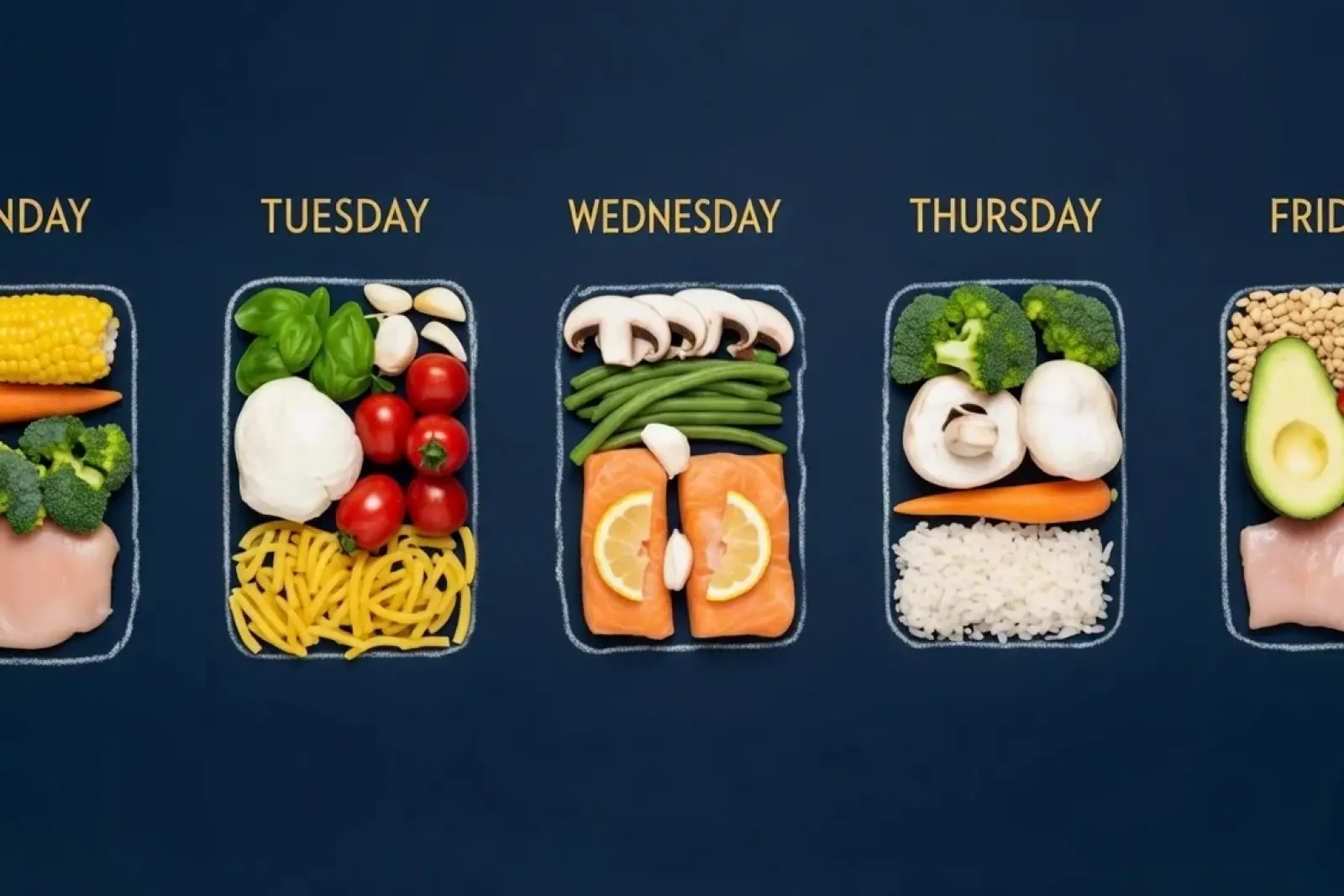
Life After Rehab,
Nutrition & Wellness After Rehab: Family-Friendly Meal Plans
Good nutrition is a powerful recovery tool. Learn how simple, Family-friendly meal plans can support wellbeing, reduce cravings, and strengthen sobriety after rehab. Substance use can deplete the body of essential nutrients, disrupt digestion, impact sleep, and affect mood regulation. Rebuilding physical health through food is one of the most effective ways to support emotional stability, energy levels, and long-term sobriety. For clients returning home after treatment in New Zealand, the goal is not perfection. It is about creating simple, realistic eating habits that fit everyday life.

Life After Rehab,
What to Expect in Your First 30 Days After Rehab
Leaving rehab is a big step. Learn what to expect in your first 30 days and how to protect your recovery. Completing residential rehab is a major achievement. But many people find that the first 30 days after rehab are both hopeful and challenging. Structure changes. Support feels different. Daily life resumes. While confidence may be growing, vulnerability often increases during this phase. Knowing what to expect can reduce anxiety and help you move forward with clarity and confidence.

Life After Rehab,
Outdoor Therapy Activities After Rehab
Discover how outdoor therapy can ease stress, lift mood and support long-term recovery after rehab. One of the simplest and most effective ways to support recovery after rehab is to spend more time outdoors. Nature offers calm, grounding and a sense of physical and emotional reset that is hard to replicate indoors. Outdoor therapy does not need to be complicated or expensive. You do not need to be fit, sporty or adventurous. For many people in recovery, the benefits come from small, consistent interactions with the natural world and the opportunity to reconnect with your body, your senses and your surroundings. This article explores how outdoor therapy can support your long-term recovery, practical ideas for getting started and ways to stay motivated once you return home.
Recovery starts with a conversation
If you, or someone you love, is struggling, reach out for a confidential, no-obligation chat. We listen, answer your questions and walk alongside you.