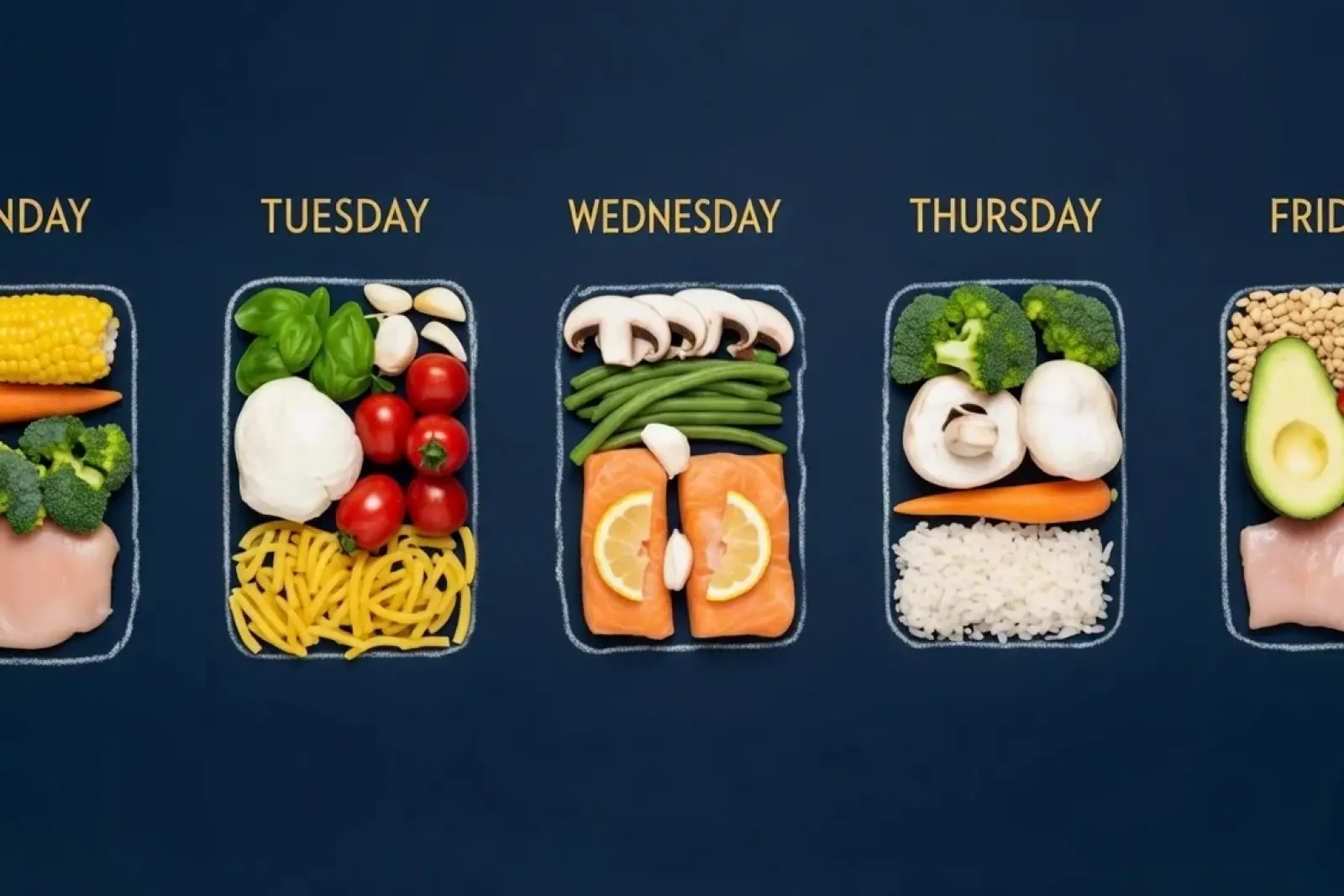
Good nutrition is a powerful recovery tool. Learn how simple, Family-friendly meal plans can support wellbeing, reduce cravings, and strengthen sobriety after rehab. Substance use can deplete the body of essential nutrients, disrupt digestion, impact sleep, and affect mood regulation. Rebuilding physical health through food is one of the most effective ways to support emotional stability, energy levels, and long-term sobriety. For clients returning home after treatment in New Zealand, the goal is not perfection. It is about creating simple, realistic eating habits that fit everyday life.
Leaving rehab is a big step. Learn what to expect in your first 30 days and how to protect your recovery. Completing residential rehab is a major achievement. But many people find that the first 30 days after rehab are both hopeful and challenging. Structure changes. Support feels different. Daily life resumes. While confidence may be growing, vulnerability often increases during this phase. Knowing what to expect can reduce anxiety and help you move forward with clarity and confidence.
Leaving rehab is a new beginning. Discover realistic aftercare pathways that help you build long-term recovery and confidence. Life after rehab can feel hopeful and exciting, but also unfamiliar. You may be rebuilding routines, reconnecting with family, returning to work or adjusting to quieter days without structured programming. This transition is normal and expected. This is why aftercare support is essential for maintaining long-term recovery. Aftercare pathways give you guidance, structure and connection as you step back into everyday life. This article explores the most effective options, common challenges and the ways you can personalise your support plan to stay steady and confident.
Discover how outdoor therapy can ease stress, lift mood and support long-term recovery after rehab. One of the simplest and most effective ways to support recovery after rehab is to spend more time outdoors. Nature offers calm, grounding and a sense of physical and emotional reset that is hard to replicate indoors. Outdoor therapy does not need to be complicated or expensive. You do not need to be fit, sporty or adventurous. For many people in recovery, the benefits come from small, consistent interactions with the natural world and the opportunity to reconnect with your body, your senses and your surroundings. This article explores how outdoor therapy can support your long-term recovery, practical ideas for getting started and ways to stay motivated once you return home.
New Year, new clarity. Discover why January is the best month to begin addiction recovery and how Keystone Lodge makes the process supportive and reassuring. For some, the idea of taking action can feel daunting. For others, it can feel like the first moment of true relief. Whether your December was exhausting or eye-opening, January offers an opportunity to regain control and begin a healthier future with confidence.
Holidays can be challenging in recovery. Discover real stories and practical plans to help you stay sober and supported. For many people in recovery, the holiday season brings mixed emotions. Festive celebrations, family gatherings and end-of-year stress can create environments where alcohol and other substances are everywhere. Even people who usually feel confident in their recovery may notice cravings, emotional triggers or unexpected pressure during December and January. In this article, we explore practical strategies, real client-inspired scenarios and ways to protect your wellbeing during the busiest time of the year.
Rebuilding a social life in recovery is possible - practical tips for sober socialising and making meaningful connections. One of the biggest challenges after rehab is figuring out how to connect with people again - without relying on alcohol or drugs. Social life often revolves around habits that no longer fit your new lifestyle, and that can feel isolating at first. But the truth is, socialising sober isn’t about losing your social life - it’s about rebuilding it in ways that are more genuine, fulfilling, and sustainable. With time, practice, and the right mindset, you can create meaningful connections that fully support your recovery.
Here to help
Recovery starts with a conversation
If you, or someone you love, is struggling, reach out for a confidential, no-obligation chat. We listen, answer your questions and walk alongside you.