
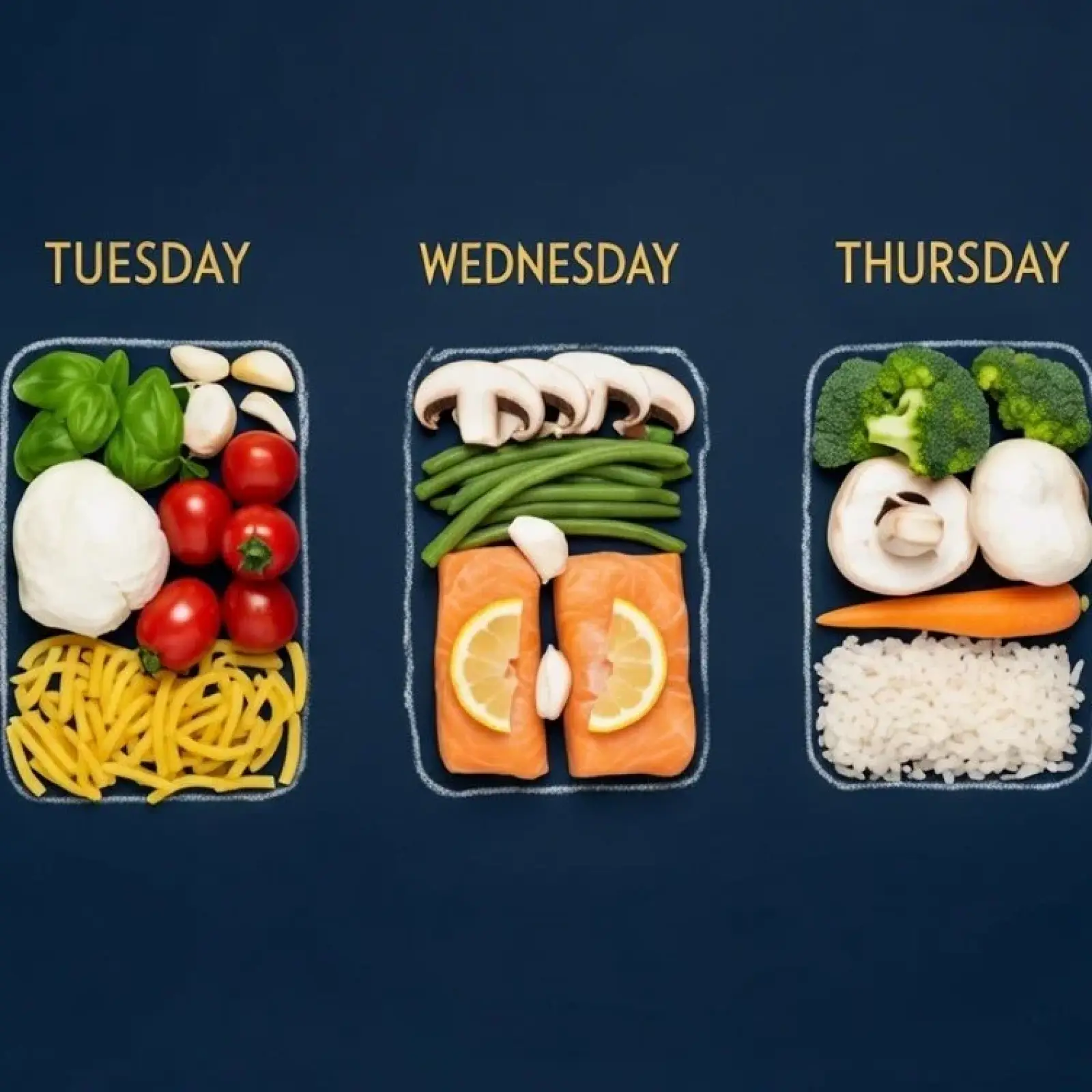
Recovery does not end when residential treatment finishes. For many people, the weeks and months after rehab are when new habits either take hold or start to slip. Nutrition plays a much bigger role in this phase than many people realise.
Substance use can deplete the body of essential nutrients, disrupt digestion, impact sleep, and affect mood regulation. Rebuilding physical health through food is one of the most effective ways to support emotional stability, energy levels, and long-term sobriety.
For clients returning home after treatment in New Zealand, the goal is not perfection. It is about creating simple, realistic eating habits that fit everyday Australian life.
Why Nutrition Matters After Rehab
In early recovery, the body and brain are still rebalancing. Poor nutrition can increase fatigue, irritability, low mood, and cravings, all of which can increase relapse risk.
Consistent, nourishing meals help to:
-
Stabilise blood sugar and reduce cravings
-
Improve sleep and energy
-
Support mental clarity and emotional regulation
-
Strengthen immune and digestive health
-
Reinforce daily structure and routine
At Keystone Lodge, nutrition and wellness are treated as part of the recovery foundation, not an afterthought.
Family-Friendly Nutrition Principles for Recovery
Rather than rigid meal plans, the focus is on sustainable principles that work in real life.
1. Regular meals and snacks
Skipping meals can trigger mood swings and cravings. Aim for three meals and one or two snacks per day.
2. Protein at every meal
Protein supports brain health and keeps blood sugar stable. Australian staples like eggs, fish, chicken, lean beef, legumes, yoghurt, and tofu are all excellent options.
3. Whole foods over ultra-processed foods
Highly processed foods can worsen inflammation and mood instability. Recovery-friendly choices include vegetables, fruit, whole grains, nuts, seeds, and healthy fats.
4. Hydration matters
Dehydration can mimic anxiety and fatigue. Water, herbal teas, and mineral water should be prioritised, especially in warmer Australian climates.
Sample Family-Friendly Meal Ideas
These examples are designed to be practical, affordable, and easy to prepare.
Breakfast ideas
-
Scrambled eggs with wholegrain toast and avocado
-
Greek yoghurt with berries, nuts, and honey
-
Porridge topped with banana and chia seeds
Lunch ideas
-
Grilled chicken or chickpea salad with olive oil dressing
-
Tuna and wholegrain wrap with salad greens
-
Leftover roast vegetables with quinoa or brown rice
Dinner ideas
-
Baked salmon with sweet potato and steamed greens
-
Stir-fried vegetables with tofu or lean beef
-
Roast chicken with pumpkin, carrots, and broccoli
Snack ideas
-
Fruit with a handful of nuts
-
Hummus with vegetable sticks
-
Yoghurt or cottage cheese
How Keystone Lodge Supports Nutrition and Wellness
At Keystone Lodge, clients learn how food, movement, and self-care support emotional resilience and relapse prevention. This holistic approach helps clients leave treatment with practical tools they can use back in Australia.
Wellness education is integrated into treatment so clients understand not just what to do, but why it matters.
Many clients find that continuing these routines after returning home provides stability during a period of major life adjustment.
Building a Wellness Routine That Lasts
Nutrition works best when paired with:
-
Regular sleep and wake times
-
Gentle physical activity
-
Ongoing counselling or peer support
-
Stress management strategies
Recovery is not about restriction. It is about learning how to care for your body in ways that support long-term sobriety and wellbeing.
If you or a loved one are considering rehab in New Zealand and want support that goes beyond detox, Keystone Lodge offers a structured, holistic programme designed to support life after treatment.
Keep reading
All articles
Life After Rehab,
What to Expect in Your First 30 Days After Rehab
Leaving rehab is a big step. Learn what to expect in your first 30 days and how to protect your recovery. Completing residential rehab is a major achievement. But many people find that the first 30 days after rehab are both hopeful and challenging. Structure changes. Support feels different. Daily life resumes. While confidence may be growing, vulnerability often increases during this phase. Knowing what to expect can reduce anxiety and help you move forward with clarity and confidence.

Life After Rehab,
Aftercare Pathways: Life After Rehab
Leaving rehab is a new beginning. Discover realistic aftercare pathways that help you build long-term recovery and confidence. Life after rehab can feel hopeful and exciting, but also unfamiliar. You may be rebuilding routines, reconnecting with family, returning to work or adjusting to quieter days without structured programming. This transition is normal and expected. This is why aftercare support is essential for maintaining long-term recovery. Aftercare pathways give you guidance, structure and connection as you step back into everyday life. This article explores the most effective options, common challenges and the ways you can personalise your support plan to stay steady and confident.

Life After Rehab,
Outdoor Therapy Activities After Rehab
Discover how outdoor therapy can ease stress, lift mood and support long-term recovery after rehab. One of the simplest and most effective ways to support recovery after rehab is to spend more time outdoors. Nature offers calm, grounding and a sense of physical and emotional reset that is hard to replicate indoors. Outdoor therapy does not need to be complicated or expensive. You do not need to be fit, sporty or adventurous. For many people in recovery, the benefits come from small, consistent interactions with the natural world and the opportunity to reconnect with your body, your senses and your surroundings. This article explores how outdoor therapy can support your long-term recovery, practical ideas for getting started and ways to stay motivated once you return home.
Recovery starts with a conversation
If you, or someone you love, is struggling, reach out for a confidential, no-obligation chat. We listen, answer your questions and walk alongside you.