

Christmas: A Time of Joy, Pressure and Vulnerability
For many people in recovery, the holiday season brings mixed emotions. Festive celebrations, family gatherings and end-of-year stress can create environments where alcohol and other substances are everywhere. Even people who usually feel confident in their recovery may notice cravings, emotional triggers or unexpected pressure during December and January.
The good news is that with preparation, support and the right mindset, it is completely possible to stay sober over the holidays. Many people even find that this time strengthens their recovery, because it provides a chance to practise new skills and build confidence in real-world situations.
In this article, we explore practical strategies, real client-inspired scenarios and ways to protect your wellbeing during the busiest time of the year.
Why the Holidays Are a High-Risk Time
The holidays often involve:
-
Increased social gatherings
-
Alcohol centred events
-
Family conflicts or expectations
-
Travel stress
-
Financial pressure
-
Disrupted routines
-
Memories of past behaviour
-
Loneliness for those spending the season away from family
These factors can create emotional friction, making old coping patterns feel tempting. Understanding this context is not a sign of weakness. It is a sign of awareness. When you know what to expect, you can plan ahead and stay grounded.
For additional support, Healthify NZ offers helpful information about coping during stressful seasons.
Three Realistic Scenarios and How to Handle Them
The following scenarios are inspired by common experiences shared by people in recovery. Names and details are fictional, but the challenges are familiar to many.
Scenario 1: The Family Christmas with Old Tensions
Aiden is six months sober and excited to attend Christmas lunch with family. But he knows there will be alcohol, and old disagreements might resurface. He worries he may feel overwhelmed or judged.
What helps:
-
Set boundaries early
Decide how long you will stay and who you will sit near. Let a supportive family member know you may step outside if things become tense. -
Prepare a simple exit plan
Drive yourself, bring taxi money or let someone know you may head home early. -
Practise short grounding techniques
Slow breathing, a short walk outside or a quick phone call to someone supportive. -
Focus on connection, not perfection
You do not need to have the perfect Christmas. You only need to protect your well-being.
Scenario 2: The Workplace Party With Free Drinks
Mia enjoys her job and has a good relationship with her colleagues, but the annual work function includes an open bar. She fears being the only sober person in the room.
What helps:
-
Bring or request alcohol free options
Many venues offer alcohol free beer, kombucha or sparkling water. -
Keep a drink in your hand
This reduces social pressure for people to offer you alcohol. -
Prepare simple responses
-
“I am driving tonight.”
-
“I am taking a break from drinking.”
-
“I feel better without alcohol now.”
Short and firm is enough.
4. Give yourself permission to leave early
Most workplace parties become alcohol focused later in the evening. Leaving early can protect your peace.

Scenario 3: Spending the Holidays Alone
Jordan recently completed rehab and feels nervous about spending Christmas Day alone. He worries loneliness will trigger cravings.
What helps:
-
Plan your day in advance
Have scheduled activities, meals, calls and moments of rest. -
Join community events
Many community organisations, churches and volunteer groups offer inclusive meals.
Volunteering can provide a sense of purpose and connection. -
Reach out to your support network
Arrange phone calls or video chats with people who care about your recovery. -
Use the day for self-care rather than self-criticism
It is completely okay to have a quieter holiday season. Many people in recovery find this restful.
Eight Practical Strategies for Staying Sober Over the Holidays
1. Build a Clear Plan Ahead of Time
Write down:
-
Events you plan to attend
-
Who you can call for support
-
Your triggers
-
Ways to manage them
-
A brief exit strategy
A written plan increases confidence and reduces anxiety.
2. Create New Holiday Traditions

You might try:
-
A morning walk
-
A special breakfast
-
A movie marathon
-
Baking
-
A small gift to yourself
-
Outdoor activities
New traditions help break the link between holidays and old behaviours.
3. Bring Your Own Alcohol-Free Options
If you attend events, bring something enjoyable to drink. This removes guesswork and gives you a comforting sense of control. Alcohol-free craft beer, flavoured sparkling water or fancy sodas can feel festive without risk.
4. Practise Saying No Without Overexplaining
A simple, confident no is enough. Being overly apologetic can make you feel more exposed.
Instead, try phrases like:
-
“No thanks, I am good with this.”
-
“I am keeping things alcohol free tonight.”
-
“I am focused on my health right now.”
Most people accept this quickly.
5. Stay Active and Grounded
Physical movement helps reduce stress and cravings. Try:
-
Walks
-
Ocean dips
-
Yoga
-
Light workouts
-
Gardening
-
Cycling
Movement brings your nervous system back into balance.
6. Schedule Support Check-Ins
Arrange regular contact with:
-
Friends in recovery
-
Support groups
-
A sponsor
-
Your therapist
-
Your aftercare team
If you need support options, you can learn more about Keystone Lodge’s aftercare programmes here:
7. Prioritise Sleep and Nutrition
Late nights, heavy meals and disrupted routines can increase emotional reactivity. Prioritise:
-
Balanced meals
-
Water
-
Consistent sleep
-
A calm morning routine
Looking after your body will help protect your emotional resilience.
8. Give Yourself Permission to Step Away
If a situation feels unsafe or overwhelming, you can leave. You do not need to push through discomfort to please others. Protecting your recovery is far more important than meeting expectations.
What to Do If You Experience Cravings
Cravings are normal, especially during high-pressure periods. They do not mean relapse is happening. They are simply a signal that your mind and body want support.
Try:
-
Delay
Wait ten minutes. Most cravings peak quickly, then ease. -
Distract
Change your environment. Step outside, move your body, call a friend. -
Drink water or have a snack
Low blood sugar can mimic craving sensations. -
Deep breathing
Slow breathing helps reduce stress signals in the brain.
Remember that cravings do not have to be acted on. They pass, especially when you respond calmly.
If a Slip Happens
A slip is not a failure. It is a sign that you need support and possibly a stronger plan. Many people experience isolated slips during holidays. The most important step is to reach out quickly, talk honestly and reconnect with your recovery supports.
Keystone Lodge is available to help with relapse planning, aftercare and structured follow-up when needed.
A Message of Hope

Every year, thousands of people in recovery navigate the holidays successfully. They attend gatherings, connect with family, make new memories and stay committed to their wellbeing. You can be one of them.
The holiday season does not need to be defined by what you are avoiding. It can be defined by what you are building: clarity, confidence, meaningful relationships and a future that is steady and strong.
If you would like support developing a personalised holiday plan or strengthening your aftercare, the team at Keystone Lodge is here to help.
Keep reading
All articles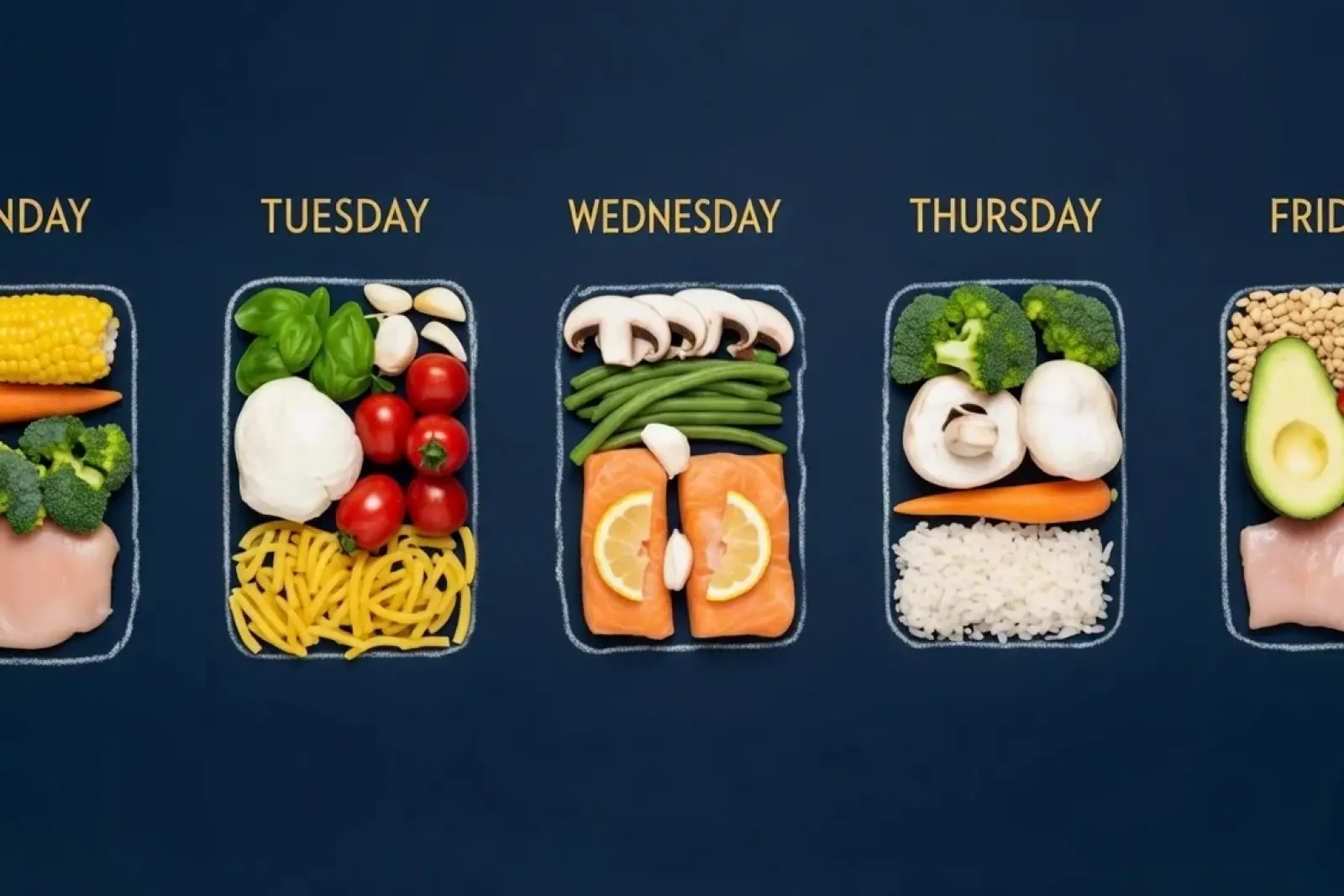
Life After Rehab,
Nutrition & Wellness After Rehab: Family-Friendly Meal Plans
Good nutrition is a powerful recovery tool. Learn how simple, Family-friendly meal plans can support wellbeing, reduce cravings, and strengthen sobriety after rehab. Substance use can deplete the body of essential nutrients, disrupt digestion, impact sleep, and affect mood regulation. Rebuilding physical health through food is one of the most effective ways to support emotional stability, energy levels, and long-term sobriety. For clients returning home after treatment in New Zealand, the goal is not perfection. It is about creating simple, realistic eating habits that fit everyday life.

Life After Rehab,
What to Expect in Your First 30 Days After Rehab
Leaving rehab is a big step. Learn what to expect in your first 30 days and how to protect your recovery. Completing residential rehab is a major achievement. But many people find that the first 30 days after rehab are both hopeful and challenging. Structure changes. Support feels different. Daily life resumes. While confidence may be growing, vulnerability often increases during this phase. Knowing what to expect can reduce anxiety and help you move forward with clarity and confidence.

Life After Rehab,
Aftercare Pathways: Life After Rehab
Leaving rehab is a new beginning. Discover realistic aftercare pathways that help you build long-term recovery and confidence. Life after rehab can feel hopeful and exciting, but also unfamiliar. You may be rebuilding routines, reconnecting with family, returning to work or adjusting to quieter days without structured programming. This transition is normal and expected. This is why aftercare support is essential for maintaining long-term recovery. Aftercare pathways give you guidance, structure and connection as you step back into everyday life. This article explores the most effective options, common challenges and the ways you can personalise your support plan to stay steady and confident.
Recovery starts with a conversation
If you, or someone you love, is struggling, reach out for a confidential, no-obligation chat. We listen, answer your questions and walk alongside you.